
JOURNAL / MOVEMENT & PERSPECTIVES
Better together. Why healthcare needs more teamwork.
30 years of working with movement, rehabilitation and fitness have taught me one thing: no single professional has all the answers.
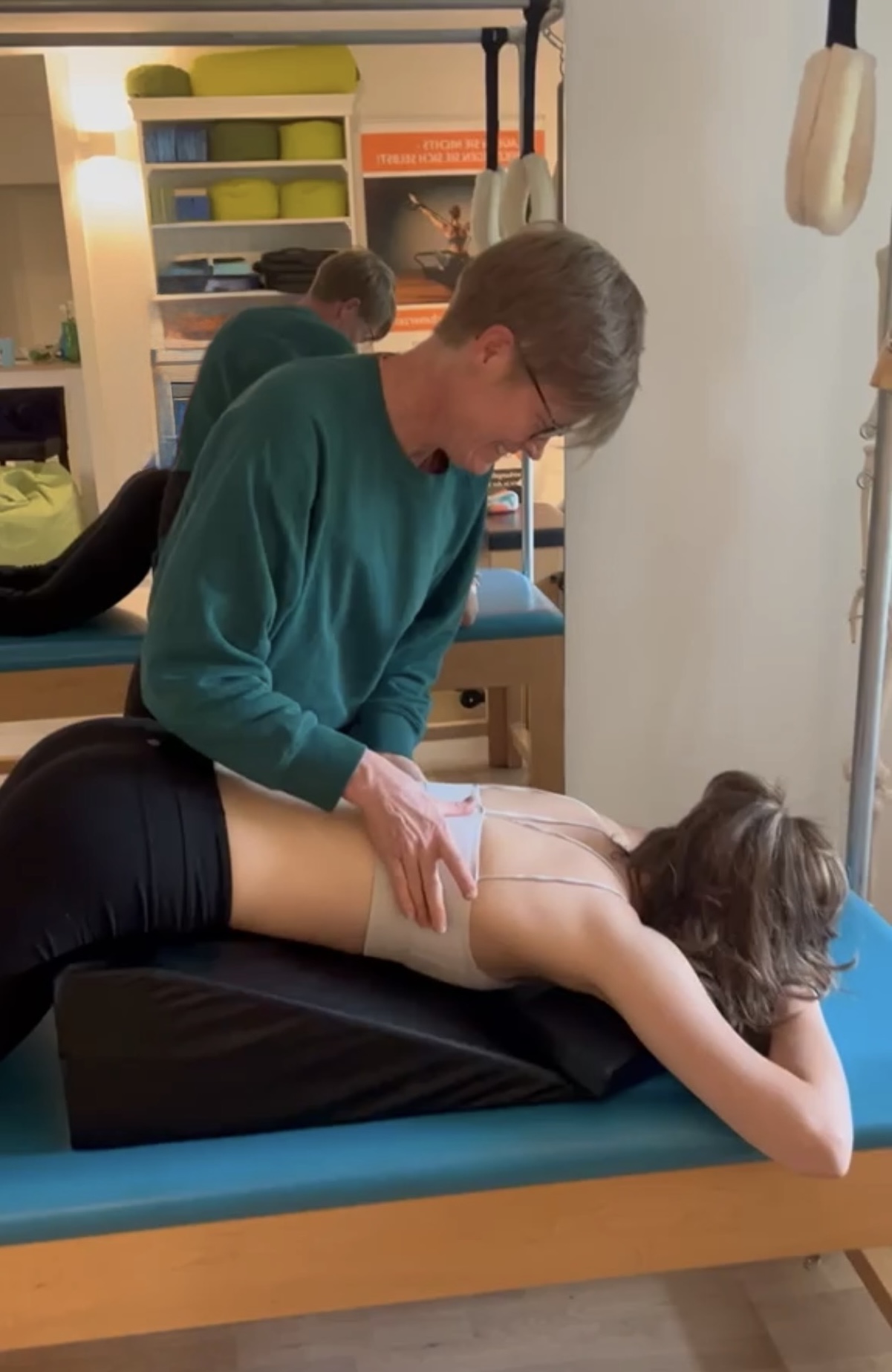
As a physiotherapist by training, I’ve always believed that helping people recover requires more than simply treating the part of the body that hurts. Yet throughout my professional life, I’ve often been frustrated by how fragmented healthcare can be. A patient visits their doctor, receives a diagnosis, perhaps some medication and a prescription for physiotherapy. The physiotherapist works on restoring movement and function. A chiropractor might provide manual treatment. Another professional may address a different aspect of the problem.
But how often do these professionals actually communicate with one another? Does the doctor know what happened during physiotherapy? Does the chiropractor know which exercises the patient is doing? And does anyone step back to ask whether the different treatments are working together towards a common goal? Too often, the patient is the only person connecting the dots.
Treating the person, not just the problem
Imagine someone struggling with persistent back pain. Perhaps they need medical assessment. Perhaps physiotherapy can help them regain movement and confidence. They might benefit from progressive strength training, psychological support, or advice on managing stress and sleep. And perhaps they need several of these things — at different stages of their recovery.
The point isn’t that everyone needs to see five different specialists. Quite the opposite. The point is knowing when another perspective might help, and having the professional humility to involve someone else. A good treatment shouldn’t simply make someone feel better for an hour. Ideally, it should help them move towards a life in which they need less treatment, not more.
What if we actually worked as a team?
I recently read an interview in the Tages-Anzeiger in which a physiotherapist expressed frustration about the lack of coordination in healthcare. One idea particularly resonated with me: a Medical Coach — someone who helps patients navigate different treatments and professionals, rather than leaving them to manage everything themselves. The interview also drew an interesting comparison with cancer care, where multidisciplinary tumour boards bring specialists together to discuss treatment decisions.
Of course, not every person with back pain needs a medical conference! But imagine if a doctor, physiotherapist and movement trainer could exchange relevant information, agree on priorities and follow up on progress — with the patient’s consent and active involvement.
Sometimes even a short conversation between professionals could make a meaningful difference. At fit&fab, I work with people with very different bodies, histories and goals. Some want to become stronger or more mobile. Others are rebuilding confidence after injury or dealing with long-standing movement difficulties.
Knowing when to pass someone on
My background in physiotherapy helps me understand movement and rehabilitation, but it also helps me recognise the limits of what I can offer. And I consider that just as important. Over the years, I’ve built relationships with skilled professionals from different fields. When I believe someone would benefit from expertise outside my own, I’m happy to recommend an appropriate professional.
Not because I’ve failed to help them, but because helping someone sometimes means knowing when you’re not the right person for the next step. I wish this kind of collaboration were a more natural part of healthcare.
Collaboration requires trust
Of course, sharing medical information raises important questions about confidentiality and privacy. Patients must remain in control of who receives their information, and any exchange must respect professional obligations and data protection. But confidentiality shouldn’t prevent collaboration when the patient wants it and the appropriate safeguards are in place. Ultimately, the patient should be at the centre of the conversation — not left carrying messages between disconnected professionals.
Better together
I don’t believe that any one profession has the complete solution to pain, rehabilitation or long-term health. Doctors, physiotherapists, chiropractors, psychologists, podiatrists, massage therapists and movement professionals all bring different skills and perspectives. What matters is finding the right combination for the individual — and being willing to communicate, collaborate and sometimes step aside.
After 30 years in this field, I remain convinced that we could do this much better. Because the goal shouldn’t be to keep people coming back for treatment. It should be to help them move forward.
Inspired in part by an interview in the Tages-Anzeiger about persistent back pain, physiotherapy and better coordination in healthcare.

